Helidecks have become an increasingly valuable feature onboard superyachts – offering fast, flexible transport for owners, guests and crew. Whether for direct arrivals, short day trips, or emergency transfers, a well-designed helideck adds both convenience and capability to a vessel.
While the addition of a helideck offers many advantages, its safe and legal operation requires adherence to strict international aviation and maritime standards. Certification is more than just a formality – it ensures that elements such as structural integrity, fire safety, lighting and approach/departure paths have been thoroughly considered and meet the rigorous design, construction and operational standards. This process guarantees that the helideck is fully fit for purpose and that its operation poses no risk to passengers, crew or the vessel itself.
Below, we highlight some of the most important factors that need to be considered when designing, building and maintaining a safe and compliant helideck.
Regulations and Certification
Designs must comply with applicable international and national standards including flag state specific requirements. The type of operations planned – private, commercial or flying at night – can all affect which standards apply and the level of assessment required.
Certification may also involve multiple authorities depending on the operating region, the vessel’s flag state, class society and aviation authority. Coordination between these bodies is crucial to ensure compliance and a streamline approval process.
Safety Systems
Helidecks must incorporate essential safety features such as fire suppression systems, deck markings and non-slip surfaces. Additionally, integration of fuel storage, crash rescue equipment and clear emergency procedures is critical to ensuring operational safety.
Design Considerations
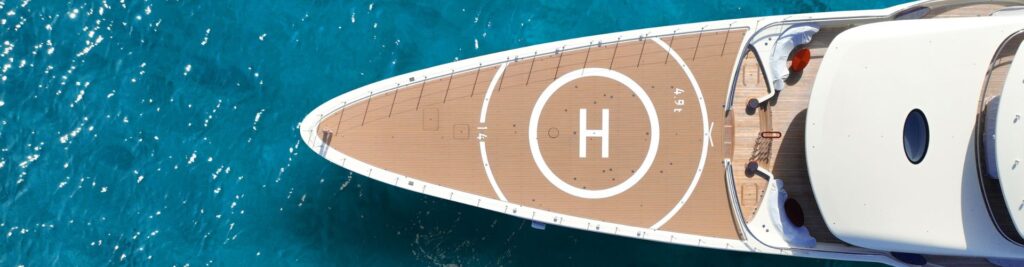
Key design elements include adequate landing area dimensions, structural load capacity, obstacle-free approach/departure paths and proper drainage. Consideration must also be given to location on the vessel, vibration and noise impacts as well as visual integration with the yacht’s aesthetic.
Maintenance and continued Compliance
Ongoing maintenance of the yachts’ helideck is vital to ensure continued certification. Regular inspections, systems testing and documentation updates must be planned for and included in the vessels operational procedures to ensure long-term safety and compliance.
More than just a landing platform
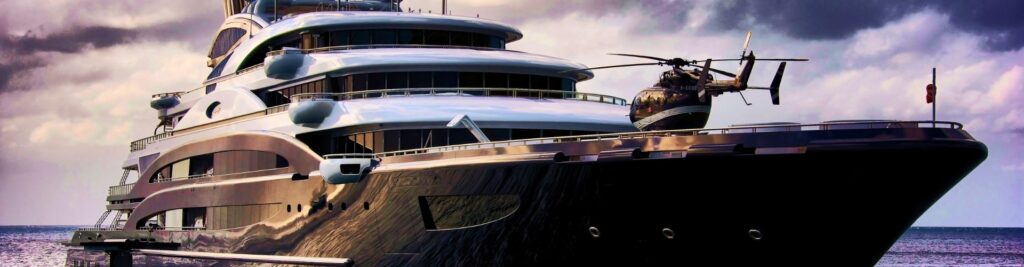
A helideck is more than just a landing platform – it’s a complex aviation asset that enhances operational ability, but it must be designed with consideration, certified correctly and maintained to high-standards.
Engaging with experienced design consultants at the earliest stages of a superyacht project is essential to successfully integrate a compliant helideck. Early involvement allows for proactive consideration of regulatory requirements, safety systems and operational logistics – reducing the risk of costly redesigns and delays later down the line. By incorporating aviation expertise from the outset, owners and shipyards can ensure the helideck is not only safe and functional but seamlessly aligned with the yacht’s overall design and performance goals.
Safeguard Helidecks specialise in helideck design consultancy and certification. Whether you’re in the early stages of design, or planning an upgrade, we’re here to help ensure your helideck is safe, compliant and seamlessly integrated.
Want to find out more about how we can help support you?
Get in touch with our team…
To find out more about the range of services we offer and how we can help with your helideck certification requirements, please get in touch. Our team will be happy to answer any questions and give advice on the steps you need to take to ensure the safety of your superyacht helideck. Contact us here.